Thursday, June 25, 2026, 07:00 PM - 08:00 PM ET
Humans are part of nature, and as such have seasons, cycles and rhythms that impact energy, resources and capacity.
Traditional business and business systems are directed by routines, output and uniformity. Often leaving no space for you or your needs and rhythms.
Let's do business differently.
In this webinar we'll cover:
-
Rhythms vs routines
-
Working with different seasons both inside and outside of your business
-
Cultivating awareness of your cycles - energy, mood, capacity - to support you in your biz
-
Evolving into a way of doing business that works with and for you
Learning Objectives:
By the end of this webinar, participants will be able to:
-
identify supportive and unsupportive practices for your business
-
identify what season of business you are in
-
identify resourcing and capacity cycles in your business
Performance Indicators:
Performance Indicators (with CODES) https://www.cdrnet.org/competencies
15.1.2 Applies criteria to measure and monitor productivity in
order to support safe, ethical, and efficient service delivery
15.1.4 Assesses skills and competence of staff to optimize
workflow.
15.1.8 Develops, implements, monitors and evaluates strategies
for efficient workflow
5.2.2 Reflects on own values, beliefs and biases.
5.2.3 Demonstrates insight concerning personal expertise and limitations.
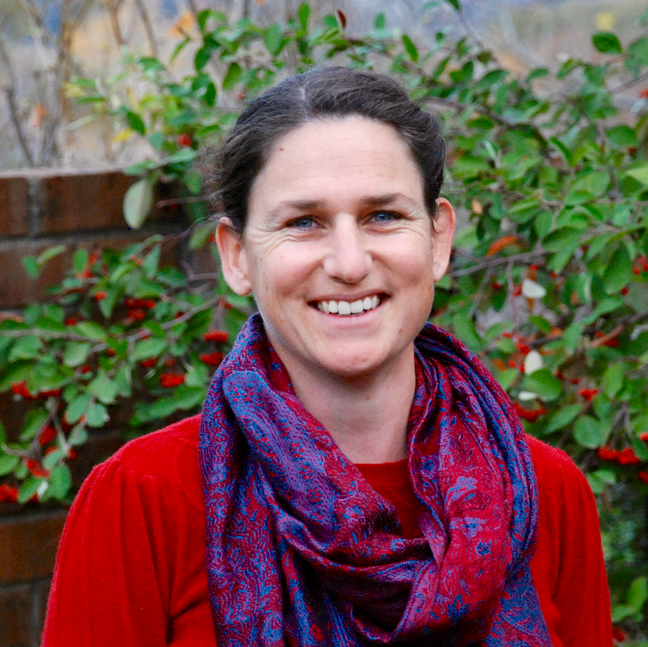
Bio: Laura Jean (she/her) is a dietitian by trade, a weirdo at heart, and an 80-year-old nanna in spirit. She practices through an inclusive, trauma-informed, social justice–oriented, human-centered, and permaculture-informed lens.
She is passionate about holding space and planting seeds that support health, and about helping professionals build values-grounded businesses where both they—and the communities they serve—can truly flourish.
Register Here